
Inventory management has always been a crucial part of apparel retail, but it often doesn’t get the attention it deserves. Even with all the advances in retail technology, many warehouses still rely on manual barcode scanning, repeated checks, and slow reporting. These methods naturally limit how accurate, fast, and scalable operations can be. As e-commerce grows and omin-channel fulfillment becomes standard, these traditional processes can no longer keep up with level of speed and accuracy modern retail demands.
Industry data highlights the magnitude of the challenge. Research from IHL Group estimates that inaccurate inventory, out-of-stocks, and oversotcking cost global retailers $1.73 trillion annually. At the center of these losses lies a fundamental issue: inventory data is often incomplete or incorrect. When inventory visibility breaks down, it disrupts replenishment, supply chain coordination, sales performance, and ultimately the customer experience.
Against this backdrop, RFID(Radio Frequency Identification) is emerging as a foundational technology for the next era of retail. Leading brands such as Zara, Uniqlo, Nike, and Decathlon are leveraging RFID to rebuild their operational backbone – from supply chain traceability to store-level execution. What was once considered an optional enhancement has now become a strategic enabler of efficiency, accuracy, and growth.
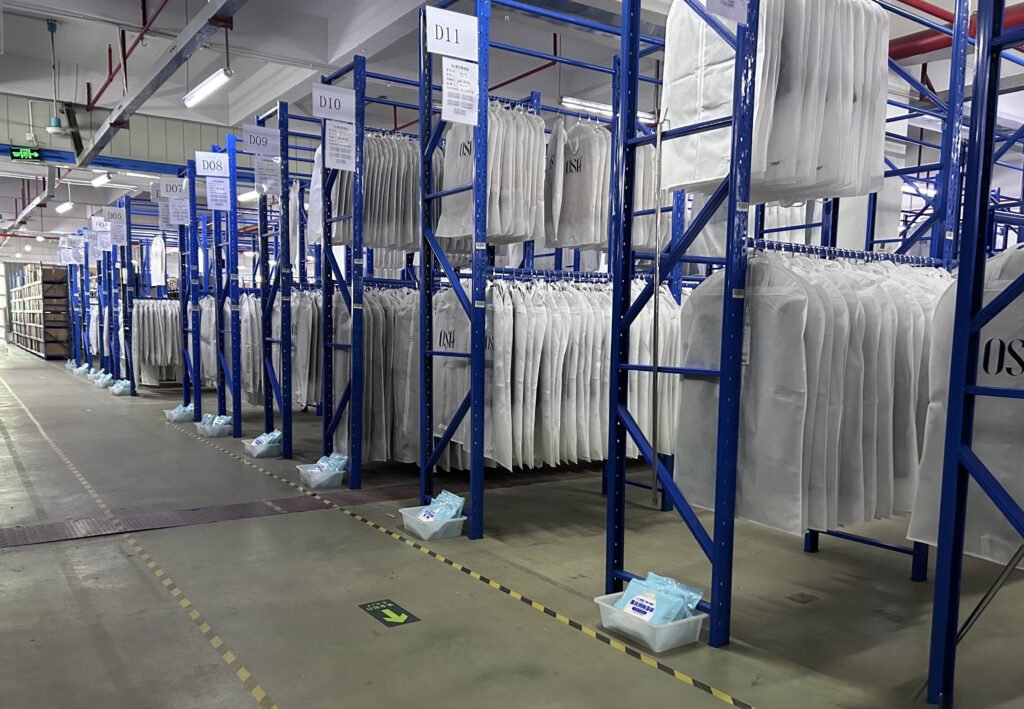
From Barcodes to RFID: A Structural Upgrade in Efficiency
Mass reading unlocks exponential productivity
Barcode systems require item-by-item scanning, creating natural bottlenecks in warehouses and stores. RFID, by contrast, enables non-contact, batch reading. A full cart of garments can be identified in seconds. Real-world deployments consistently show RFID delivering 20-80 times faster inventory counting compared with barcodes.
Accuracy rises from 90-96% to 99%+
Manual barcode processes typically 90-96% accuracy. RFID pushes this to 99-99.9%, even with frequent cycle counts. For retailers with large assortments or fast-moving SKUs, this accuracy directly improves stock health and reduces operational friction.
Real-time inventory visibility becomes achievable
Traditional systems often update inventory with a 1-3 day delay. RFID enables near real-time synchronization, ensuring accurate stock levels even during peak seasons such as Black Friday or Singles’ Day. This is essential for reliable omin-channel fulfillment.
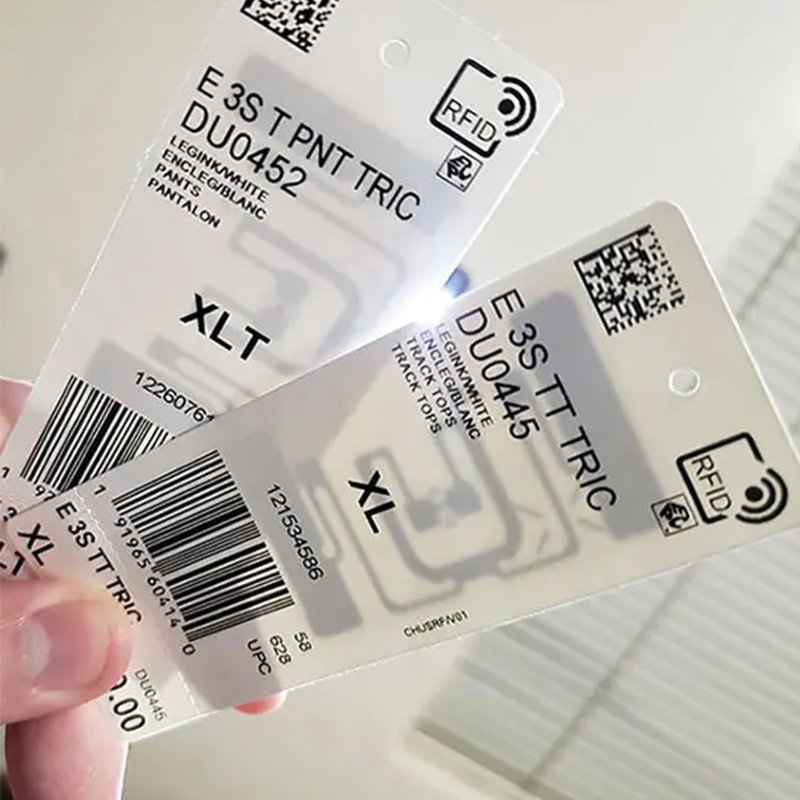
RFID’s End-to-End Value Across the Supply Chain
Manufacturing: Establishing a trustworthy supply chain from the source
More brands now embed RFID tags during production, giving each item a digital identity. This enables:
End-to-end traceability
Anti-counterfeit verification
Rapid identification of batch or production anomalies
This strengthens supply chain transparency and compliance
Warehousing & Logistics: The engine of automation
RFID transforms warehouses from manual-driven to data-driven environments. During JD Logistics’ 618 festival, RFID contributed to:
10x higher inventory efficiency
5x faster checking
150% faster outbound processing
By reducing manual scanning and error rates, RFID significantly boosts throughput and operational resilience.
In-store operations: Enhancing both experience and efficiency
RFID enables smarter retail experiences, such as Uniqlo’s smart fitting rooms that automatically recognize products, display stock availability, offer styling suggestions, and support fast checkout. Pilot stores have reported 15% increases in conversion rates. RFID turns stores into interactive, data-enabled environments.
RFID as a Business Engine: Beyond Cost Reduction
Retailers ultimately evaluate technology through the lens of profitability and growth. RFID delivers on both fronts
A global fast-fashion brand reported:
22% higher inventory turnover
18% lower labor costs
35% fewer stockouts
9.3% sales growth
RFID is one of the few technologies that simultaneously reduces costs and increases revenue.
Strategic advantages include
Eliminating “ghost inventory”
Raising accuracy from 95% to 99.9% transforms omni-channel fulfillment from unreliable to scalable
Enabling data-driven supply chain decisions
RFID supports:
Accurate demand forecasting
Dynamic replenishment
Optimized safety stock
Early detection of slow-moving items
Retailers shift from reactive to proactive operations
Strengthening brand competitiveness
Consumers experience:
Fewer stockouts
Faster replenishment
Smarter in-store interactions
More transparent supply chains
These factors directly influence loyalty and repeat purchases.
Challenges and Future Trends: The Window of Opportunity
Why isn’t RFID used everywhere yet?
Cost isn’t the problem anymore-mindset is
RFID tags now cost about $0.10 each. The real reasons companies hesitate are:
They underestimate how much money RFID can save
They worry that operations will need big changes
Their digital systems and skills are limited
But in reality, most retailers get their money back within a year.
The hard part isn’t the technology- it’s the organization.
RFID needs to work together with systems like ERP, WMS, and POS. The technology is already reliable. The real challenge is getting different departments to work together and redesign processes.
Employees usually become fans very quickly.
RFID cuts down on boring, repetitive scanning. This lets staff spend more time helping customers. As a result, employee satisfaction usually goes up.
Future Trends: RFID as the infrastructure of Smart Retail
AI+RFID: Predictive retail becomes the norm
RFID provides real-time data; AI provides predictive intelligence. Together they enable.
SKU-level demand forecasting
Precision promotions
Dynamic inventory optimization
Future retailers will compete on data speed, not logistics speed.
RFID in resale, rental, and circular economy
RFID will suport:
Lifecycle tracking
Authenticity verification
Efficient rental inventory management
It becomes the digital passport of circular retail.
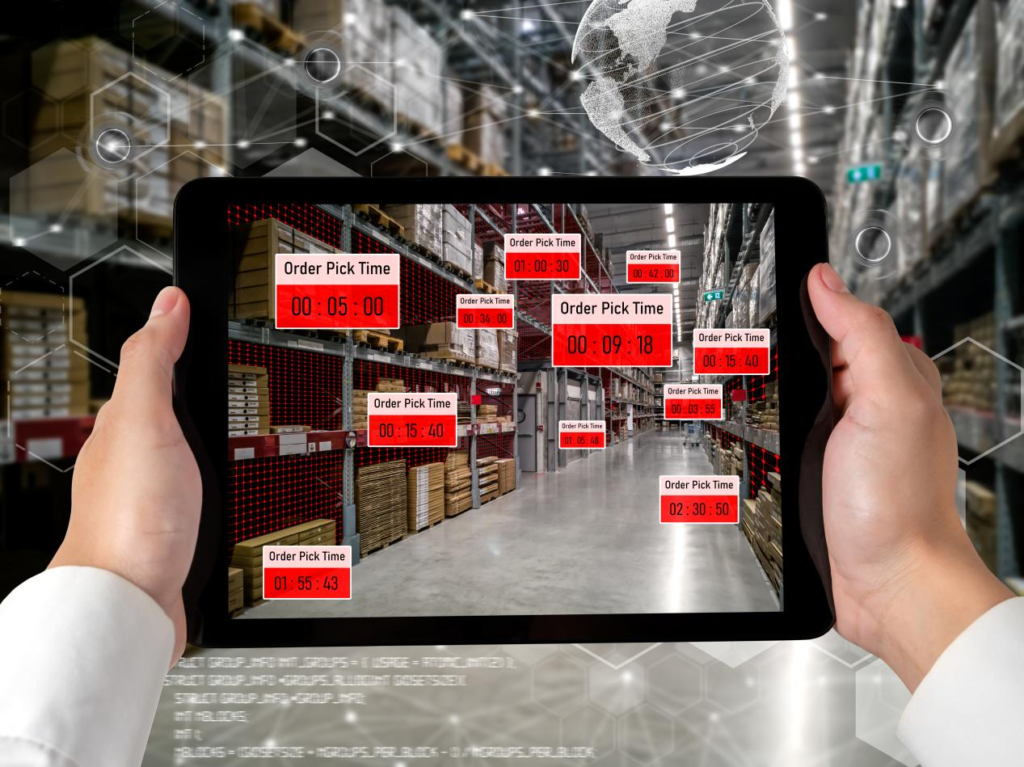
AR/VR+RFID: The next generation of store experience
RFID enables seamless virtual try-on experiences, reducing the need for large in-store inventory and blending online and offline journeys.
RFID Is Becoming a Retail Imperative
RFID is reshaping the operational foundations of apparel retail. It enhances efficiency, strengthens supply chain coordination, and elevates customer experience. The question for brands is no longer whether to adopt RFID, but how quickly they can implement it. Early adopters are already capturing the benefits, while those who hesitate risk falling behind in the next wave of retail competition.